
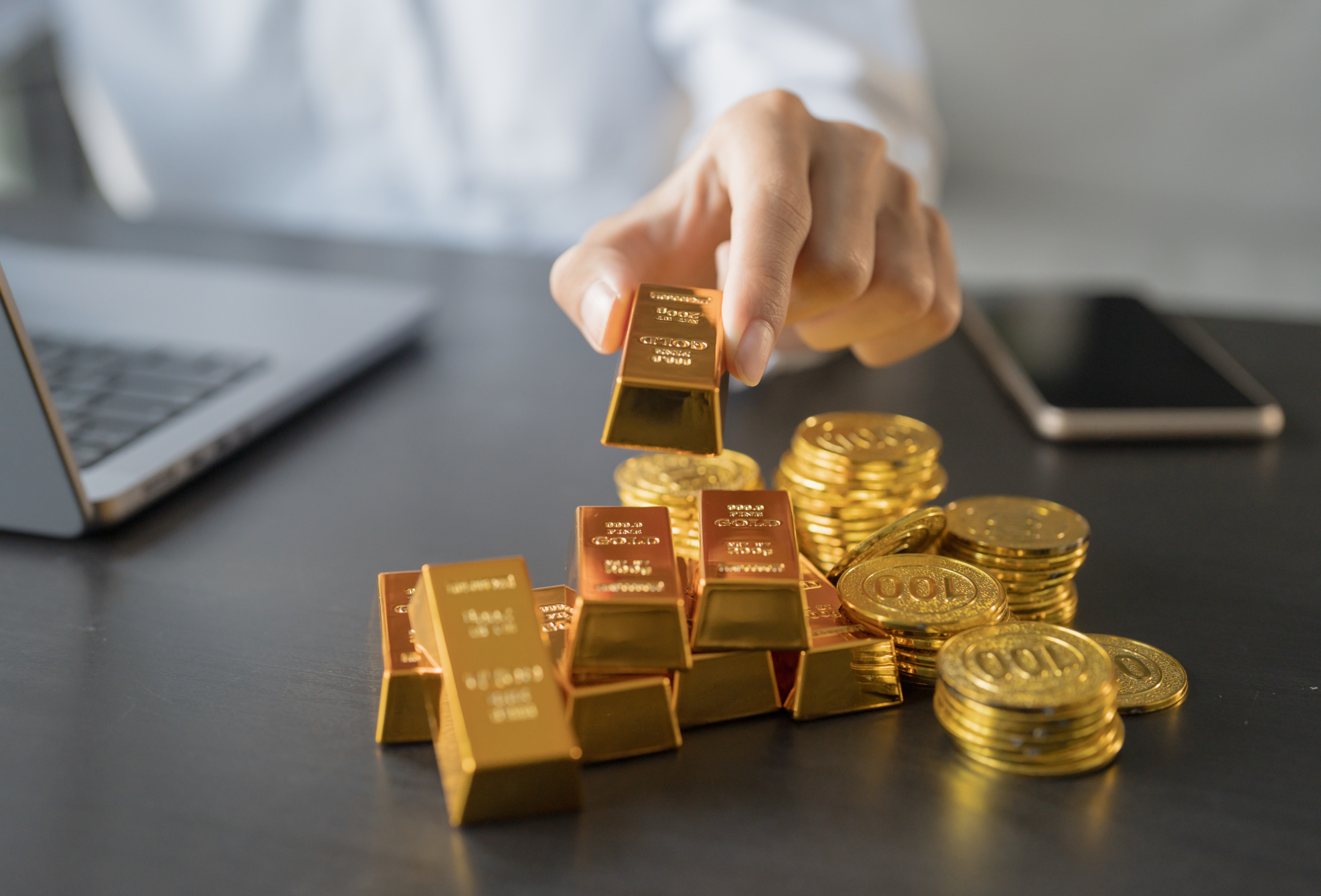

Gold has captivated human civilization for millennia, serving as currency, investment, and symbol of wealth across cultures. Pakistan, with its robust appetite for gold and strategic location between major markets, is poised to host what could become the world’s largest gold and platinum exchange at Silicon City. This ambitious proposal could reshape global precious metals trading.
Currently, major gold trading centers exist in London, New York, Shanghai, and Dubai. Each developed through decades of trust-building, regulatory frameworks, and market infrastructure. Silicon City’s exchange aims to leapfrog traditional development by leveraging modern technology and strategic positioning to capture growing Asian demand.
The proposal’s scale is audacious: a comprehensive platform for physical and derivative trading of gold, platinum, and related precious metals. Unlike traditional exchanges requiring physical presence, Silicon City’s exchange will incorporate blockchain technology for transparent, secure transactions accessible globally. Smart contracts automate settlements, reducing counterparty risk and transaction costs.
For Pakistan’s economy, the implications are transformative. An internationally recognized exchange attracts institutional investors, creates thousands of specialized jobs, and generates substantial tax revenue (after incentive periods). The exchange positions Pakistan as a serious financial player, enhancing the country’s global economic standing.
The commercial zone’s infrastructure specifically accommodates exchange operations. Secure vaulting facilities with international certification store physical metals. Trading floors equipped with advanced technology support high-frequency trading and market-making activities. Proximity to the IT zone ensures access to software developers and cybersecurity experts essential for modern financial platforms.
Regulatory frameworks are crucial. The exchange must operate with transparency and oversight that satisfies both domestic regulators and international standards bodies. This includes anti-money laundering protocols, trading surveillance systems, and investor protection mechanisms. Success requires balancing accessibility with security.
The platinum component adds unique value. While gold trading is well-established, platinum markets are smaller but growing, particularly driven by industrial applications in automotive, electronics, and renewable energy sectors. Silicon City’s industrial zone creates natural synergies, with manufacturers potentially hedging input costs through local exchange access.
Critics may question whether Pakistan can establish credibility against entrenched competitors. The answer lies in differentiation: competitive pricing through lower operational costs, strategic timezone positioning between Asian and European markets, and technology-first approach that appeals to younger, digital-native traders.
If successful, Silicon City’s precious metals exchange becomes an economic engine driving growth across multiple sectors, establishing Pakistan as an indispensable node in global commodity markets.
